Stem Cell Proliferation: The Science Behind Natural Cellular Regeneration and Longevity
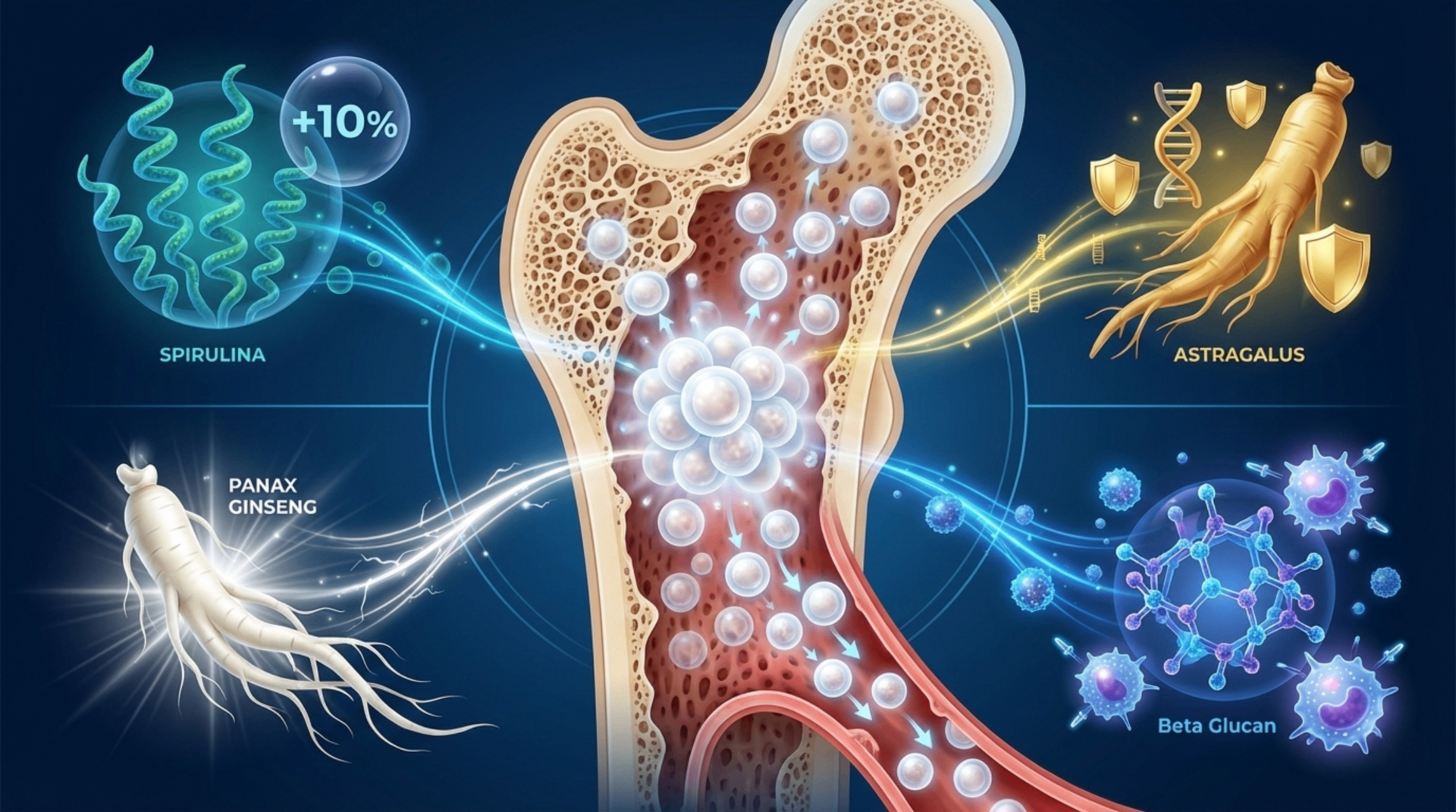
Introduction: Your Body's Hidden Regenerative Potential
The human body possesses an extraordinary ability that most people never fully utilize: the power to regenerate, repair, and renew itself from within. This capability isn't science fiction—it's the fundamental role of stem cells, the master cells that exist in every person's body with the unique ability to transform into any cell type needed for healing and regeneration.
After over a decade working in regenerative medicine, I've witnessed the profound impact that stem cell health has on overall vitality, disease resistance, and the aging process itself. The challenge isn't that our bodies lack regenerative capacity—it's that stem cell function naturally declines as we age, creating an accelerating cycle of reduced repair capacity precisely when we need it most.
The breakthrough in modern regenerative medicine isn't creating artificial stem cells or complex medical interventions. It's understanding how specific natural compounds can dramatically enhance your body's own stem cell production, mobilization, and effectiveness. This comprehensive guide explores the science of stem cell proliferation and reveals how four powerful natural ingredients—Spirulina, Astragalus, Panax Ginseng, and Beta Glucan—work synergistically to unlock your innate regenerative potential.
Key Takeaway (TL;DR)
Stem cell function declines with age, but four scientifically validated natural ingredients—Spirulina, Astragalus, Panax Ginseng, and Beta Glucan—can boost stem cell proliferation by 10-20%, enhance mobilization, optimize differentiation, and protect against cellular aging. Together they create synergistic regenerative support far greater than any single compound alone.
Understanding Stem Cells: Your Body's Regeneration System
What Are Stem Cells and Why Do They Matter?
Stem cells are fundamentally different from all other cells in your body. While most cells are specialized—a heart cell can only be a heart cell, a skin cell can only be a skin cell—stem cells possess two extraordinary properties:
Self-Renewal: Stem cells can divide and create more stem cells, maintaining their population over time. This self-replicating capability ensures a continuous supply of regenerative potential.
Pluripotency: Stem cells can differentiate into virtually any specialized cell type in the body. When tissue is damaged or needs renewal, stem cells can transform into exactly the type of cell needed for repair.
These unique characteristics make stem cells the foundation of your body's repair and maintenance systems, constantly working to replace damaged cells, heal injuries, and maintain organ function.
The Critical Types of Stem Cells in Adult Bodies
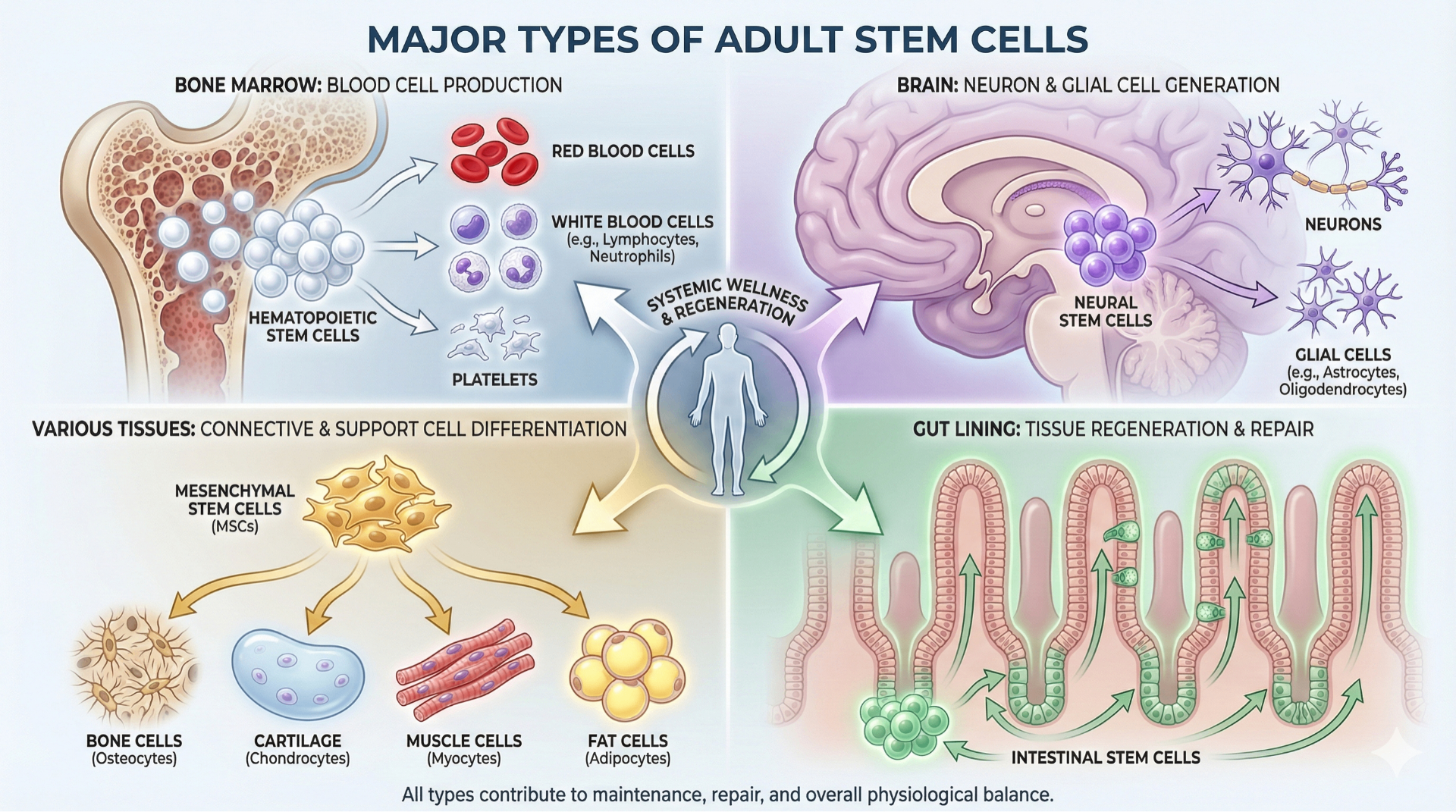
While embryonic stem cells receive significant attention in research, adult bodies contain several types of stem cells that actively contribute to health and regeneration:
Hematopoietic Stem Cells (HSCs): Located primarily in bone marrow, these stem cells produce all blood cell types—red blood cells that carry oxygen, white blood cells that fight infection, and platelets that enable clotting. HSC health directly impacts immune function, energy levels, and disease resistance.
Neural Stem Cells (NSCs): Found in specific regions of the brain, these cells generate new neurons and support cells throughout life. Neural stem cell activity is crucial for memory, learning, cognitive function, and protection against neurodegenerative diseases.
Mesenchymal Stem Cells (MSCs): Present in bone marrow, fat tissue, and other locations, MSCs can differentiate into bone cells, cartilage cells, fat cells, and muscle cells. They're essential for skeletal health, joint function, and tissue repair.
Intestinal Stem Cells: The gut lining completely regenerates approximately every 5 days, a feat accomplished by intestinal stem cells. These cells are critical for digestive health, nutrient absorption, and gut barrier function.
The Stem Cell Aging Crisis: Understanding Decline
Here's the paradox of aging: as we get older and accumulate more damage that requires repair, our stem cell populations simultaneously decline in both quantity and quality. This creates a devastating cycle where regenerative capacity decreases precisely when regenerative need increases.
Quantitative Decline: Starting around age 30, the number of circulating stem cells begins to decrease. By age 70, most people have only 10-20% of the stem cells they had in their youth.
Qualitative Deterioration: The stem cells that remain become less effective at differentiating, migrating to sites of injury, and responding to regenerative signals. This "stem cell exhaustion" is now recognized as one of the hallmarks of biological aging.
Functional Impairment: Age-related changes in the stem cell niche (the microenvironment where stem cells reside) and increased inflammation further impair stem cell function, even when adequate numbers are present.
Clinical Consequences: Reduced stem cell activity manifests as slower wound healing, decreased immune function, increased susceptibility to disease, reduced muscle mass, bone density loss, cognitive decline, and accelerated aging across all organ systems.
The Natural Solution: Evidence-Based Stem Cell Support
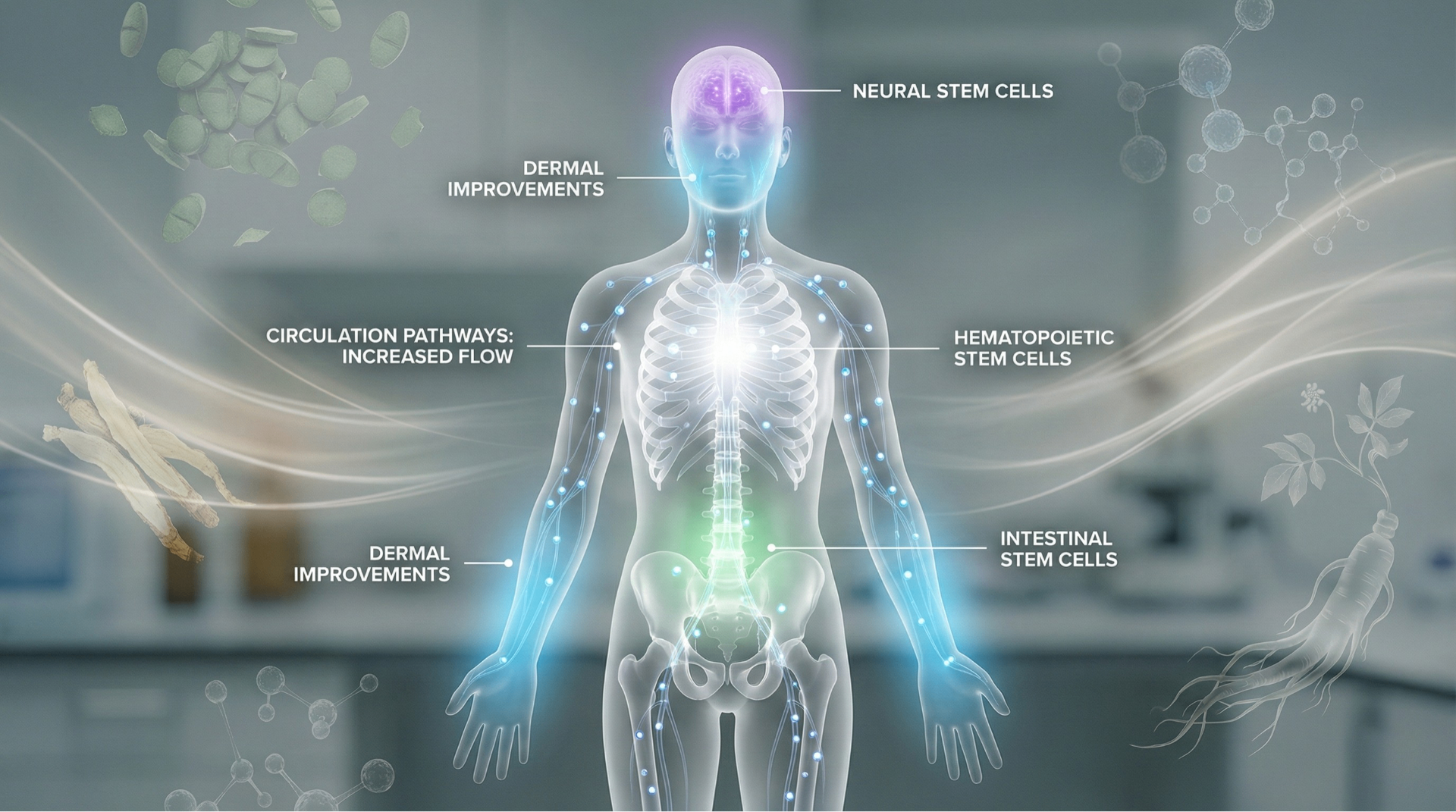
Modern regenerative medicine has identified specific natural compounds that can counteract age-related stem cell decline through multiple mechanisms:
- Proliferation Enhancement: Stimulating stem cells to divide more frequently, increasing their numbers
- Mobilization Support: Encouraging stem cells to leave bone marrow and enter circulation
- Differentiation Optimization: Improving stem cells' ability to transform into needed cell types
- Protection Mechanisms: Shielding stem cells from oxidative damage and toxins
- Niche Restoration: Supporting the microenvironment where stem cells reside
- Senescence Prevention: Reducing cellular aging and maintaining stem cell youthfulness
The stem cell boost formulation combines four scientifically validated ingredients, each targeting different aspects of stem cell health to create comprehensive regenerative support.
Spirulina: The Ancient Superfood for Modern Regeneration
Spirulina is a blue-green algae (technically a cyanobacterium) that has existed for over 3.5 billion years, making it one of Earth's oldest life forms. This spiral-shaped microorganism thrives in alkaline waters and has been consumed by various cultures for centuries.
Nutritional Profile: Why Spirulina Is a Superfood
- Protein Powerhouse: 60-70% complete protein by dry weight, surpassing beef (20%), chicken (23%), and soybeans (35%)
- Antioxidant Arsenal: Rich in phycocyanin, beta-carotene, vitamin E, and polyphenols
- Essential Minerals: Iron, calcium, magnesium, potassium, and zinc in bioavailable forms
- B-Vitamin Complex: B1, B2, B3, and B9 for cellular energy and DNA synthesis
- Gamma-Linolenic Acid (GLA): A rare plant-based omega-6 with potent anti-inflammatory properties
Spirulina's Impact on Stem Cell Function
Hematopoietic Stem Cell Proliferation: Research shows spirulina supplementation can increase bone marrow hematopoietic stem cells by at least 10%, with some studies reporting increases up to 15-20% within 4-8 weeks. Spirulina's polysaccharides and phycocyanin activate bone marrow stromal cells, upregulating growth factors including stem cell factor (SCF) and G-CSF.
Neural Stem Cell Enhancement: Spirulina reduces oxidative stress in brain tissue, decreases neuroinflammation, protects against toxin-induced damage to neural stem cells, and enhances brain-derived neurotrophic factor (BDNF) crucial for neural stem cell survival.
Stem Cell Mobilization: Spirulina increases circulating endothelial progenitor cells by promoting their release from bone marrow. Its anti-inflammatory effects create a favorable environment for stem cells to migrate to damaged tissues.
Antioxidant Protection: Phycocyanin provides antioxidant activity 20 times stronger than vitamin C, protecting stem cell DNA from oxidative damage, heavy metals, environmental toxins, and radiation exposure.
Age-Reversal: Animal research shows spirulina can restore aged stem cell populations toward youthful levels, reduce cellular senescence, and support stem cell differentiation into immune cells, neurons, and osteoblasts.
Astragalus: The Ancient Regeneration Herb
Astragalus membranaceus has been a cornerstone of Traditional Chinese Medicine for over 2,000 years, used as a "Qi tonic" to enhance vitality and promote longevity. Modern research has validated these traditional uses, revealing that astragalus works largely through its effects on stem cell function.
Bioactive Compounds
- Astragalosides: Triterpenoid saponins that activate cellular signaling for stem cell proliferation and longevity
- Polysaccharides: Complex carbohydrates with immunomodulatory and stem cell-supporting properties
- Flavonoids: Antioxidants that protect cells from oxidative damage
- Isoflavones: Phytoestrogens with cellular protective and anti-aging effects
Broad-Spectrum Stem Cell Stimulation
Unlike some compounds that affect only specific stem cell types, astragalus enhances proliferation across multiple stem cell populations: HSCs, neural stem cells, mesenchymal stem cells, and emerging research suggests cardiac stem cells as well.
Cellular Senescence Reduction
Telomere Protection: Astragalosides activate telomerase, the enzyme that maintains telomere length—protective caps on chromosomes that shorten with each cell division. Their preservation is associated with extended cellular lifespan.
Functional Rejuvenation: Studies indicate astragalus can restore aged stem cells to more youthful functional states, reducing senescent cell accumulation in stem cell niches.
Neural Support and Neuroprotection
Astragalus promotes neurogenesis in the hippocampus, supports neural stem cell differentiation, increases BDNF levels, and shows promise for preventing Alzheimer's, Parkinson's, and age-related cognitive decline.
Tissue Repair and Immune Enhancement
By promoting mesenchymal stem cell activity, astragalus accelerates wound healing, supports organ repair (heart, liver, kidneys), and enhances osteoblast differentiation for bone density. It also supports HSC proliferation for robust immune cell production, preventing immunosenescence and supporting both innate and adaptive immunity.
Panax Ginseng: The Adaptogenic Stem Cell Enhancer
Panax ginseng (Korean ginseng) is perhaps the most studied adaptogenic herb in the world, with over 3,000 years of documented use. The genus name "Panax" derives from the Greek "panacea," reflecting its reputation for comprehensive health benefits. Modern research reveals many of ginseng's effects stem from its profound impact on stem cell function.
Ginsenosides: The Active Compounds
Over 40 different ginsenosides have been identified, each with distinct activities:
- Rb1: Neuroprotective, promotes neural stem cell proliferation
- Rg1: Enhances stem cell proliferation and differentiation, improves cognition
- Re: Anti-aging properties, supports energy metabolism
- Rd: Neuroprotective, reduces inflammation
Proliferation and Differentiation
Ginseng enhances stem cell proliferation across neural, bone marrow, intestinal, and mesenchymal stem cell types. It maintains the delicate balance between self-renewal and differentiation, ensuring an adequate reservoir of undifferentiated stem cells while supporting proper lineage commitment for tissue repair.
Neural Function and Cognitive Health
Ginseng significantly enhances neurogenesis in the hippocampus, improves memory, learning, attention, and overall cognitive performance. It protects existing neurons while promoting neural stem cell-mediated repair, and contributes to improved emotional regulation and stress resilience.
Gut Health and Intestinal Stem Cells
The gut lining regenerates every 5-7 days. Ginseng supports intestinal stem cell proliferation for gut barrier integrity, optimal nutrient absorption, immune function (70% of the immune system resides in the gut), and a healthy microbiome environment.
Cellular Rejuvenation and Adaptogenic Properties
Ginseng provides powerful antioxidant protection, improves mitochondrial function, may influence epigenetic markers of aging, and prevents senescent cell accumulation. As an adaptogen, it modulates cortisol, reduces stress-driven inflammation, and enhances overall vitality and resilience.
Beta Glucan: The Immune-Modulating Stem Cell Activator
Beta glucans are naturally occurring polysaccharides found in the cell walls of bacteria, fungi, yeasts, algae, and some plants. They interact powerfully with the human immune system through specific receptors, particularly dectin-1 and complement receptor 3 (CR3).
HSC Mobilization from Bone Marrow
Beta glucan supplementation can increase circulating hematopoietic progenitor cells by 50-100% within hours to days. It enhances G-CSF production—the primary signal for stem cell release—and maintains elevated circulating stem cell levels with consistent use. More circulating stem cells means faster healing, better immune response, and systemic rejuvenation.
Immune Enhancement
Beta glucans are true immune modulators—they enhance immune function when underactive while preventing excessive responses. They activate macrophages, neutrophils, and NK cells for innate immunity, enhance T-cell and B-cell function for adaptive immunity, and induce epigenetic changes in immune cells called "trained immunity" for improved future responses.
Bone Regeneration
Beta glucans promote mesenchymal stem cell differentiation into osteoblasts, accelerate fracture healing, help prevent age-related osteoporosis, and may improve calcium absorption and utilization.
Stem Cell Reprogramming
One of beta glucan's most fascinating properties: it can reprogram hematopoietic stem cells in bone marrow, improving their differentiation capacity, producing more effective immune cells, enhancing toxin resistance, and better equipping cells to combat infections.
Additional Benefits
Beta glucans also provide antioxidant protection for stem cells, support blood sugar regulation and insulin sensitivity, reduce LDL cholesterol, and modulate the NFκB inflammatory pathway to reduce chronic inflammation that damages stem cells.
The Synergistic Formula: How Four Ingredients Create Exponential Benefits
The most powerful regenerative protocols combine complementary compounds working through different mechanisms to create effects greater than the sum of individual parts.
Complementary Mechanisms
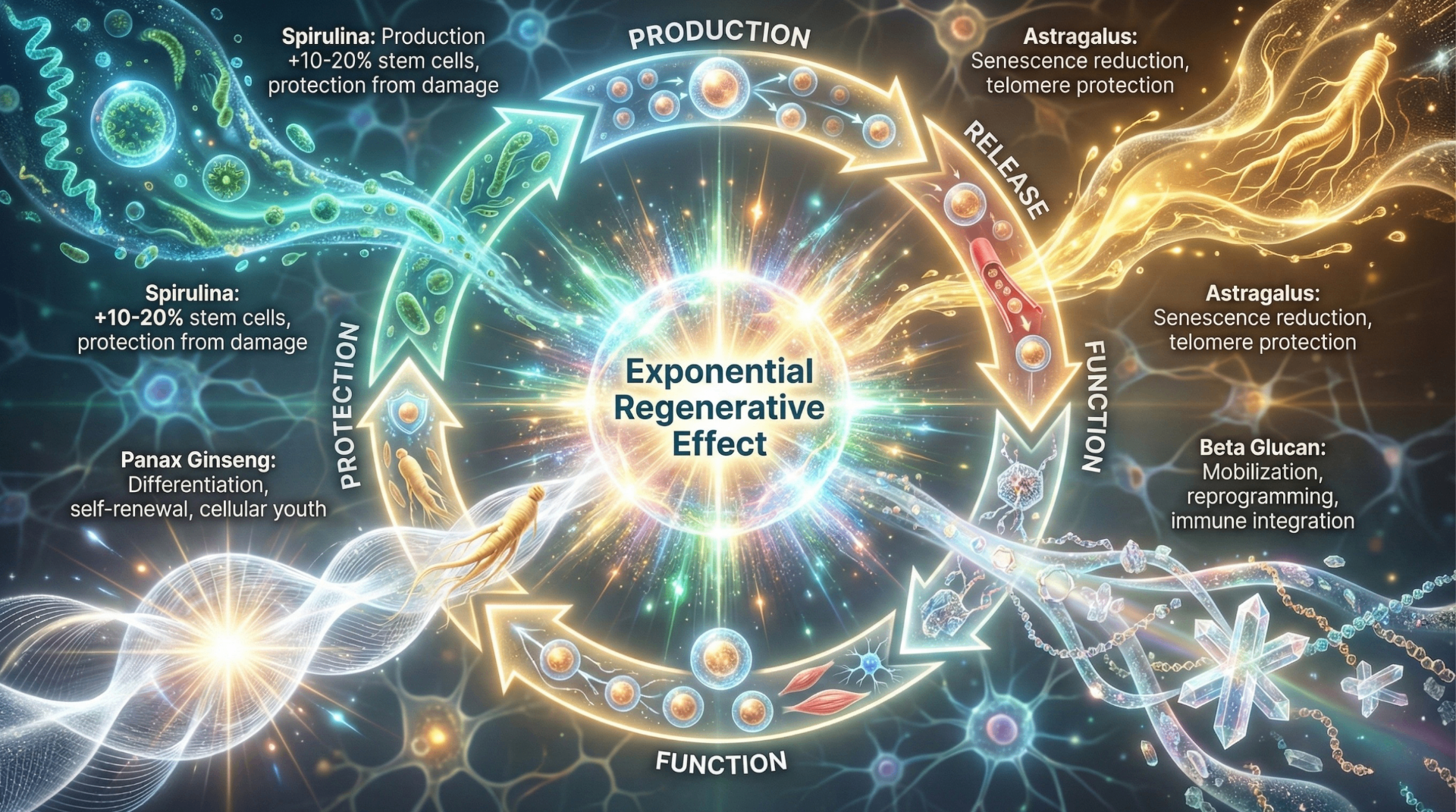
- Spirulina: Foundational nutritional support, increases stem cell numbers by 10%+, protects against damage
- Astragalus: Reduces cellular senescence, enhances proliferation, supports tissue repair
- Panax Ginseng: Optimizes differentiation and self-renewal, maintains cellular youthfulness
- Beta Glucan: Mobilizes stem cells into circulation, reprograms for enhanced function
Complete Regenerative Cycle
- Production (Spirulina + Astragalus): Increase stem cell proliferation in bone marrow
- Release (Beta Glucan): Mobilize stem cells into circulation
- Function (Ginseng + Astragalus): Optimize differentiation and tissue repair
- Protection (All Four): Shield stem cells from damage and maintain longevity
Multi-Level Benefits
Enhanced Immune Function: Beta glucan activates immediate response, spirulina increases immune cell production, astragalus prevents immune senescence, ginseng optimizes function.
Comprehensive Neuroprotection: Spirulina provides antioxidant defense, astragalus reduces neural inflammation, ginseng promotes neurogenesis—all three support neural stem cell health.
Systemic Anti-Aging: Telomere protection (astragalus), senescent cell reduction (astragalus + ginseng), oxidative stress defense (spirulina + ginseng), cellular energy enhancement and inflammation reduction (all ingredients).
Practical Protocol: Maximizing Stem Cell Support
Optimal Dosing and Timing
- Spirulina: 3-5 grams daily, taken with meals for optimal absorption
- Astragalus: 500-2,000mg standardized extract, divided doses
- Panax Ginseng: 200-400mg standardized to 4-7% ginsenosides, morning dose preferred
- Beta Glucan: 250-500mg daily, preferably from yeast or mushroom sources
Supporting Lifestyle Factors
Exercise: Moderate exercise enhances stem cell mobilization; high-intensity intervals promote growth factor production; resistance training supports mesenchymal stem cell activation. Avoid overtraining, which temporarily suppresses stem cell function.
Sleep: Quality sleep (7-9 hours) is essential for stem cell proliferation and repair. Stem cell activity follows circadian rhythms—consistent sleep schedules support optimal function.
Nutrition: Adequate protein supports proliferation; antioxidant-rich foods protect stem cells; healthy fats support cellular membranes; hydration is critical for mobilization and function.
Stress Management: Chronic stress impairs stem cell function through elevated cortisol. Meditation, mindfulness, and social connection reduce inflammation that damages stem cells.
Expected Results and Timeline
Week 1-2: Foundation Building
Enhanced energy levels, better stress resilience from ginseng's adaptogenic properties, and initial immune support. At the cellular level, stem cell proliferation begins, mobilization increases, and protective mechanisms activate.
Week 3-6: Measurable Improvements
Improved recovery from exercise, enhanced mental clarity and cognitive function, better immune response, and increased vitality. Stem cell populations increase 10-20% with enhanced mobilization, homing, and differentiation capacity.
Week 7-12: Significant Transformation
Visible improvement in skin quality, enhanced physical performance, markedly improved immune function, better stress tolerance, and improved sleep quality. Ongoing tissue repair, reduced inflammation, enhanced organ function, and measurable improvements in cellular health markers.
Month 4-6+: Long-Term Regeneration
Sustained high stem cell populations, comprehensive tissue renewal, age-reversal markers in cellular testing, optimal immune function, peak cognitive performance, and maximum regenerative capacity. Beyond 6 months, expect continued prevention of age-related decline and a reduced biological aging rate.
Scientific Evidence and Research
Spirulina: Research published in the Journal of Medicinal Food and International Immunopharmacology demonstrated that spirulina supplementation increased bone marrow stem cell populations and enhanced immune function in both animal and human subjects.
Astragalus: Studies in Rejuvenation Research showed that astragalus extracts activated telomerase and reduced cellular senescence markers in human cells, with potential to extend cellular lifespan.
Panax Ginseng: Multiple randomized controlled trials have documented ginseng's effects on cognitive function, immune enhancement, and cellular vitality, with mechanisms linked to stem cell support.
Beta Glucan: Research in Immunobiology demonstrated beta glucan's ability to mobilize hematopoietic stem cells and enhance immune cell production through bone marrow stimulation.
Safety, Interactions, and Considerations
General Safety Profile
All four ingredients have excellent safety profiles with centuries to millennia of traditional use and modern scientific validation:
- Spirulina: Generally recognized as safe (GRAS); very rare allergic reactions possible
- Astragalus: Safe for most people; avoid in autoimmune conditions without medical guidance
- Panax Ginseng: Safe with appropriate dosing; may affect blood sugar and blood pressure
- Beta Glucan: Excellent safety profile; rare digestive upset at very high doses
Potential Interactions
- Blood Thinners: Ginseng may interact with warfarin; consult healthcare provider
- Diabetes Medications: Ginseng can affect blood sugar; monitor levels if diabetic
- Immunosuppressants: Astragalus and beta glucan enhance immune function; discuss with doctor
- Autoimmune Conditions: Consult healthcare provider before using immune-enhancing supplements
Who Should Exercise Caution
- Pregnant or nursing women (limited safety data)
- Individuals with autoimmune conditions
- Those scheduled for surgery (discontinue 2 weeks prior)
- People taking immunosuppressant medications
Conclusion: Unlocking Your Regenerative Potential
After over a decade working in regenerative medicine, I can confidently say that stem cell health represents the foundation of vitality, longevity, and quality of life. The natural decline in stem cell function isn't inevitable—it's a process we can significantly influence through targeted nutritional intervention.
The combination of Spirulina, Astragalus, Panax Ginseng, and Beta Glucan represents a scientifically validated approach to comprehensive stem cell support:
- Spirulina provides foundational nutrition and direct stem cell proliferation
- Astragalus reduces cellular aging and enhances regeneration
- Panax Ginseng optimizes stem cell function and maintains cellular youthfulness
- Beta Glucan mobilizes stem cells and reprograms them for enhanced function
Together, these four ingredients create synergistic effects that surpass what any single compound could achieve. By supporting stem cell production, release, function, and protection, this formula addresses regeneration comprehensively.
Your stem cells represent your body's regenerative potential—a reservoir of healing capacity waiting to be optimized. By providing targeted support through these four powerful natural ingredients, you're not just supplementing; you're activating your body's own rejuvenation systems.
The future of healthy aging isn't about fighting biology—it's about supporting and enhancing your natural regenerative mechanisms. That future starts with the decision to nurture your stem cells today.
Common Questions About Regenerative Anti-Aging
References and Further Reading
- Hirahashi T, et al. "Activation of the human innate immune system by Spirulina: augmentation of interferon production and NK cytotoxicity by oral administration of hot water extract of Spirulina platensis." International Immunopharmacology. 2002;2(4):423-434.
- Li P, et al. "Protective effects of Astragalus polysaccharides on chemotherapy-induced ovarian damage in mice." International Journal of Biological Macromolecules. 2018;119:349-357.
- Harley CB, et al. "A natural product telomerase activator as part of a health maintenance program." Rejuvenation Research. 2011;14(1):45-56.
- Nah SY, et al. "Ginseng ginsenoside: Recent insights into molecular mechanisms and health benefits." Nutrients. 2018;10(10):1554.
- Chen J, Seviour R. "Medicinal importance of fungal β-(1→3), (1→6)-glucans." Mycological Research. 2007;111(6):635-652.
- Vetvicka V, et al. "Glucan and stem cells." Biomed Pap Med Fac Univ Palacky Olomouc Czech Repub. 2014;158(4):501-504.
- Yang X, et al. "Ginseng on hyperglycemia: Effects and mechanisms." Evidence-Based Complementary and Alternative Medicine. 2014;2014:617652.
- Mao T, et al. "Effects of Spirulina on the proliferation and differentiation of neural stem cells." Marine Drugs. 2005;3(4):193-206.