Methylene Blue and GHK-Cu: The Science Behind Revolutionary Anti-Aging Skincare
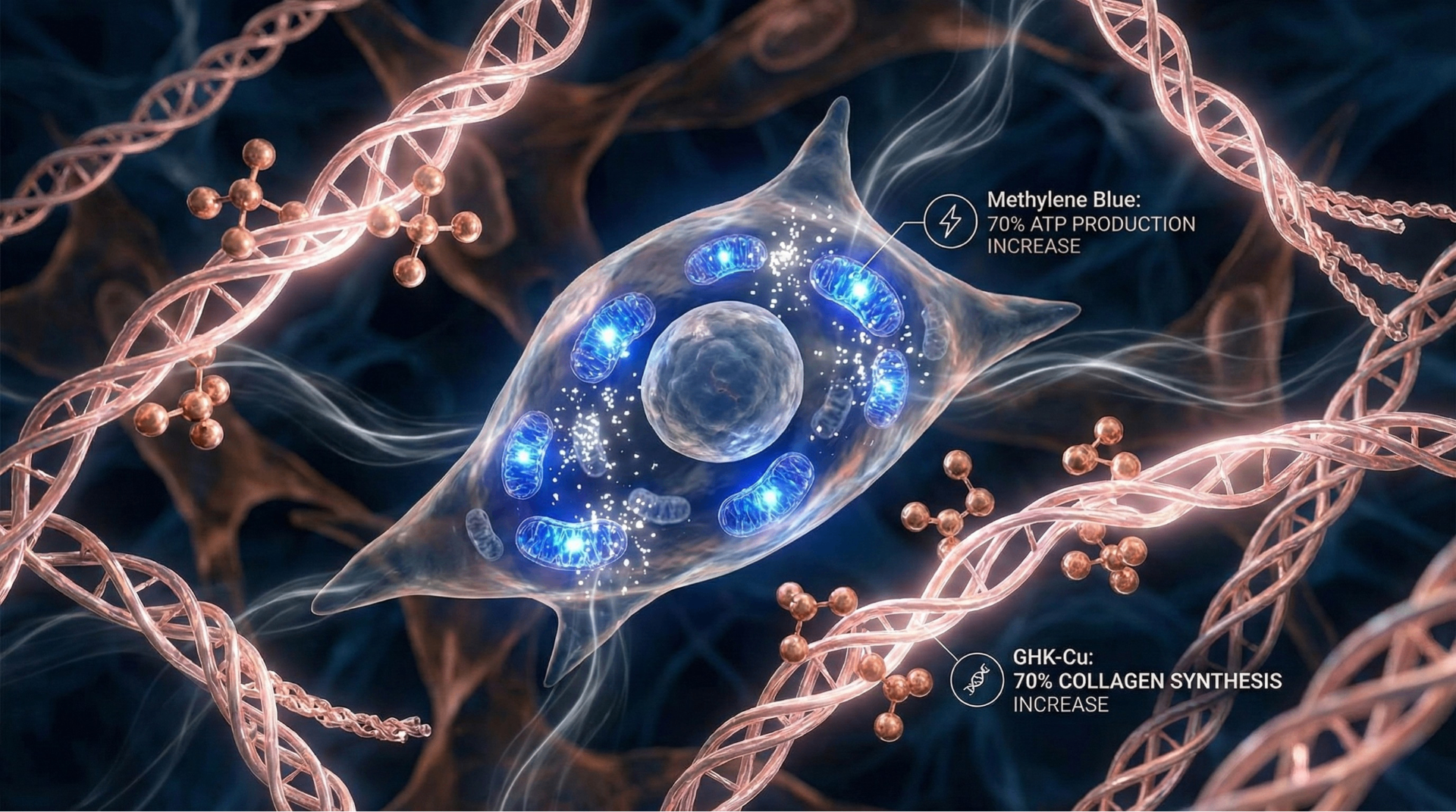
Introduction: Beyond Conventional Skincare
After over a decade in regenerative medicine, I've witnessed countless skincare trends come and go. Most promise transformation but deliver only superficial, temporary improvements. The products that create genuine, lasting change share a common characteristic: they work at the cellular level, addressing the fundamental mechanisms of skin aging rather than merely masking symptoms.
Two ingredients stand apart in their ability to fundamentally alter skin biology: Methylene Blue and GHK-Cu (copper peptide). While most people have never heard of methylene blue in a skincare context, and copper peptides remain relatively unknown outside dermatology circles, these compounds represent the cutting edge of regenerative skincare science.
This comprehensive guide explores the remarkable science behind these two breakthrough ingredients, revealing how they work synergistically to combat oxidative stress, stimulate collagen production, enhance cellular energy, repair skin barriers, and literally reverse the cellular markers of aging skin.
Key Takeaway (TL;DR)
Methylene Blue enhances mitochondrial energy production, providing cells with the power they need to regenerate, while GHK-Cu sends powerful signals that stimulate collagen and elastin synthesis. Together, they create a synergistic anti-aging effect that addresses every major pathway of skin aging—from oxidative stress and collagen loss to cellular senescence and barrier breakdown.
Understanding Skin Aging: The Cellular Reality
The Multi-Factorial Nature of Skin Aging
Skin aging isn't a single process—it's the cumulative result of multiple interconnected cellular and molecular changes:
Intrinsic Aging (chronological aging): Genetically programmed cellular decline that occurs naturally over time, affecting collagen production, cellular turnover, and repair capacity.
Extrinsic Aging (photoaging and environmental): Damage from UV radiation, pollution, toxins, and lifestyle factors that accelerate cellular deterioration and overwhelm natural repair mechanisms.
The visible signs we associate with aging—fine lines, wrinkles, sagging, uneven pigmentation, thinning skin—are merely symptoms of deeper cellular dysfunction.
The Primary Drivers of Skin Aging
Oxidative Stress: The Aging Accelerator
Oxidative stress occurs when free radicals (reactive oxygen species) overwhelm the skin's antioxidant defenses. These unstable molecules damage virtually every component of skin cells:
- DNA Damage: Free radicals attack cellular DNA, causing mutations and impairing cellular function. Accumulated DNA damage reduces cells' ability to produce collagen, elastin, and other essential proteins.
- Lipid Peroxidation: Cell membrane damage from oxidative stress compromises cellular integrity, leading to accelerated cell death and reduced barrier function.
- Protein Oxidation: Direct damage to structural proteins including collagen and elastin, causing them to become stiff, fragmented, and dysfunctional.
- Mitochondrial Dysfunction: Free radicals particularly damage mitochondria—the cellular powerhouses—reducing energy production and accelerating cellular aging.
Clinical Impact: Research shows that oxidative stress is the primary driver of visible aging signs including fine lines, wrinkles, hyperpigmentation, loss of elasticity, and overall skin degradation.
Collagen and Elastin Degradation
Collagen and elastin form the structural foundation of youthful skin:
- Collagen Loss: Beginning around age 25, collagen production decreases approximately 1% per year. Simultaneously, enzymes called matrix metalloproteinases (MMPs) break down existing collagen faster than it can be replaced.
- Elastin Breakdown: Elastin fibers that provide skin's "snap-back" quality degrade over time, particularly with UV exposure. Once damaged, elastin is virtually impossible to regenerate without targeted intervention.
- Structural Collapse: As the collagen and elastin network deteriorates, skin loses firmness, develops wrinkles, and begins to sag.
Fibroblast Dysfunction
Fibroblasts are the specialized cells responsible for producing collagen, elastin, hyaluronic acid, and other components of the extracellular matrix:
- Reduced Activity: Aging fibroblasts become progressively less active, producing fewer structural proteins.
- Impaired Quality: Even when older fibroblasts produce collagen, it's often of inferior quality—less organized, weaker, and more susceptible to degradation.
- Decreased Numbers: Fibroblast populations decline with age, further reducing regenerative capacity.
- Senescence: Many fibroblasts enter a senescent state where they stop functioning but don't die, instead secreting inflammatory compounds that damage surrounding tissue.
Skin Barrier Breakdown
The skin barrier protects against environmental damage and prevents water loss:
- Barrier Protein Degradation: Age and environmental stress damage critical barrier proteins, compromising protective function.
- Lipid Depletion: The lipid matrix that seals the barrier becomes depleted, leading to increased transepidermal water loss (TEWL).
- Consequences: Compromised barriers allow irritants and allergens to penetrate, trigger inflammation, and create a vicious cycle of damage and impaired repair.
Decreased Cellular Turnover
Youthful skin completely renews itself approximately every 28 days. As we age, this process slows dramatically:
- Slower Renewal: By age 50, cellular turnover can take 45-60 days or longer.
- Accumulated Damage: Slower turnover means damaged cells accumulate rather than being efficiently replaced.
- Dull Appearance: The buildup of old cells creates the characteristic dull, rough texture of aged skin.
Methylene Blue: The Mitochondrial Rejuvenator
What Is Methylene Blue?
Methylene blue (MB), chemically known as methylthioninium chloride, has a fascinating 130-year history in medicine. First synthesized in 1876, it was the first fully synthetic medication used in humans and has served roles ranging from malaria treatment to tissue staining in pathology.
Recent breakthrough research has revealed methylene blue's remarkable potential as a cellular rejuvenation agent, particularly for skin health and anti-aging applications.
The Cellular Energy Revolution
Mitochondrial Enhancement: The Core Mechanism
Methylene blue's most powerful anti-aging property is its ability to enhance mitochondrial function—a mechanism that distinguishes it from conventional antioxidants.
- Mitochondria: The Cellular Powerhouses: Every cell contains hundreds to thousands of mitochondria, organelles responsible for producing ATP (adenosine triphosphate)—the energy currency cells use for all functions including protein synthesis, cellular repair, and maintaining structural integrity.
- Age-Related Decline: Mitochondrial function declines significantly with age. This reduction in cellular energy directly impairs the skin's ability to produce collagen, repair damage, and maintain barrier function.
- Methylene Blue's Unique Action: MB acts as an alternative electron carrier in the mitochondrial electron transport chain, effectively bypassing damaged or inefficient components. This restores energy production even in aged or damaged cells.
Research Findings: Studies published in Scientific Reports demonstrated that methylene blue treatment increased cellular ATP production by up to 70% in aged fibroblasts, essentially restoring them to youthful energy levels.
Fibroblast Stimulation and Activation
Fibroblasts require substantial energy to synthesize collagen, elastin, and other extracellular matrix components. By enhancing mitochondrial function, methylene blue provides the energy needed for optimal fibroblast activity.
- Superior Stimulation: Research comparing methylene blue to conventional anti-aging ingredients found that MB stimulates fibroblast activity more effectively than other compounds.
- Sustained Production: Unlike ingredients that provide temporary stimulation, MB's effect on cellular energy creates sustained improvements in fibroblast function.
- Quality Enhancement: MB-stimulated fibroblasts don't just produce more collagen—they produce higher quality, better-organized collagen that more effectively supports skin structure.
Multi-Modal Anti-Aging Mechanisms
Powerful Antioxidant Properties
While methylene blue enhances cellular energy, it simultaneously functions as a potent antioxidant:
- Direct Free Radical Scavenging: MB directly neutralizes reactive oxygen species, protecting cellular components from oxidative damage.
- Mitochondrial Protection: By concentrating in mitochondria, MB specifically protects these vulnerable organelles from free radical damage.
- Superior to Conventional Antioxidants: Research suggests methylene blue's antioxidant activity is more effective because it works at the source of free radical production—the mitochondria—rather than merely scavenging free radicals after they've formed.
Cellular Senescence Prevention
One of MB's most remarkable properties is its ability to combat cellular senescence—the state where cells stop dividing but don't die, instead secreting inflammatory compounds that damage surrounding tissue.
- Senolytic Activity: Research published in Scientific Reports demonstrated that methylene blue can reduce senescent cell populations, effectively removing these "zombie cells" that accelerate aging.
- Extended Cellular Lifespan: Studies on cultured human fibroblasts showed that methylene blue treatment extended cellular lifespan by reducing senescence and maintaining proliferative capacity.
- Practical Implications: Reducing senescent cells in skin translates to less inflammation, better tissue function, and a more youthful cellular environment.
Enhanced Autophagy
Autophagy is the cellular "self-cleaning" process where damaged proteins and organelles are broken down and recycled:
- Autophagy Promotion: Methylene blue has been shown to enhance autophagic processes, helping cells remove damaged components and maintain optimal function.
- Anti-Aging Effect: Enhanced autophagy is associated with longevity and reduced aging markers across multiple organisms and cell types.
- Skin Benefits: Improved autophagy means more efficient removal of damaged collagen, elastin, and other components, allowing their replacement with fresh, functional proteins.
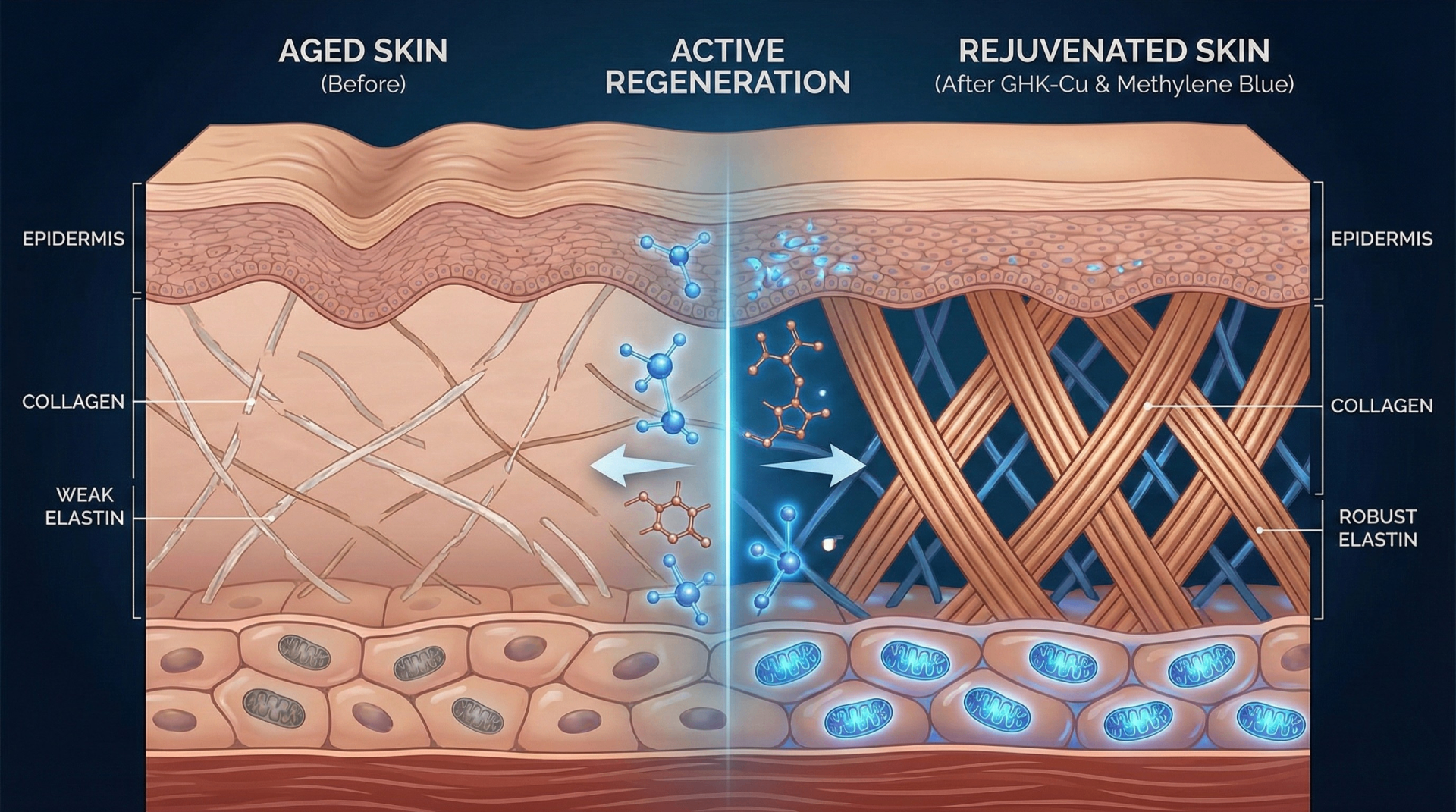
Visible Skin Benefits: Clinical Evidence
Reduction in Fine Lines and Wrinkles
The combination of enhanced fibroblast activity, increased collagen production, and improved cellular energy translates directly into wrinkle reduction.
- Mechanism: MB stimulates new collagen synthesis while protecting existing collagen from degradation, creating a dual effect.
- Timeline: Clinical observations suggest initial improvements in fine lines within 4-6 weeks, with optimal results appearing after 3-4 months of consistent use.
- Sustained Results: Unlike temporary plumping agents, MB creates lasting structural improvements through genuine tissue regeneration.
Collagen and Elastin Upregulation
Perhaps methylene blue's most significant benefit is its ability to upregulate the genes responsible for collagen and elastin production:
- Collagen 2A1 Upregulation: Studies have documented that MB increases expression of COL2A1, the gene encoding type II collagen.
- Elastin Enhancement: MB has been shown to increase elastin gene expression, promoting the production of this critical protein.
- Clinical Significance: Upregulation at the genetic level means MB fundamentally reprograms cells to produce more structural proteins, creating long-term regenerative effects.
Skin Hydration and Dermal Thickness
Research demonstrates that methylene blue significantly increases skin hydration levels through multiple mechanisms:
- Enhanced production of hyaluronic acid and other glycosaminoglycans that bind water
- Improved barrier function that reduces transepidermal water loss
- Better cellular function leading to optimal moisture retention
Dermal Thickening: Clinical studies show measurable increases in dermal thickness with methylene blue treatment, as increased collagen density creates thicker, more robust dermis.
Enhanced Firmness and Elasticity
The combination of increased collagen and elastin production creates dramatic improvements in skin's mechanical properties:
- Firmness: New collagen provides structural support that visibly firms sagging skin, particularly noticeable in areas prone to laxity like the jawline and neck.
- Elasticity: Increased elastin production restores skin's ability to "snap back" when stretched.
- Resilience: Better-structured skin is more resistant to future damage from environmental stress.
Hyperpigmentation and Age Spot Reduction
Methylene blue's antioxidant properties and cellular energy enhancement contribute to more even skin tone:
- Melanin Regulation: By improving overall cellular function, MB helps normalize melanocyte activity, reducing irregular pigmentation.
- Oxidative Damage Prevention: Since oxidative stress triggers melanin overproduction, MB's antioxidant activity helps prevent new age spots.
- Cellular Turnover: Enhanced cellular energy supports faster turnover, helping fade existing pigmentation.
UV Protection and Photoaging Prevention
While not a sunscreen replacement, methylene blue provides additional protection against UV-induced damage:
- Free Radical Neutralization: MB neutralizes free radicals generated by UV exposure.
- DNA Protection: Studies show MB can protect cellular DNA from UV-induced mutations.
- Mitochondrial Protection: By maintaining mitochondrial health despite UV stress, MB helps preserve cellular function even with sun exposure.
GHK-Cu: The Regenerative Peptide
What Is GHK-Cu?
GHK-Cu (Glycyl-L-Histidyl-L-Lysine-Copper) is a naturally occurring copper-binding peptide first discovered in human blood plasma in 1973 by Dr. Loren Pickart. This small tripeptide (just three amino acids) has a remarkable affinity for copper ions, forming a complex with profound biological activity.
- Natural Occurrence: GHK-Cu is present in human plasma, saliva, and urine. Plasma concentrations are approximately 200 ng/ml at age 20 but decline to 80 ng/ml by age 60—a reduction that correlates directly with decreased regenerative capacity.
- Discovery: Dr. Pickart's research revealed that this peptide possessed extraordinary wound-healing and tissue-remodeling properties, sparking decades of research into its mechanisms and applications.
The Copper Connection: Why It Matters
Copper's Biological Roles
Copper is an essential trace mineral involved in hundreds of enzymatic processes:
- Collagen Cross-Linking: Copper is required for lysyl oxidase, the enzyme that cross-links collagen and elastin fibers, creating the strong, flexible network that supports skin structure.
- Antioxidant Defense: Copper is a cofactor for superoxide dismutase (SOD), one of the body's primary antioxidant enzymes.
- Cellular Energy: Copper plays a role in mitochondrial function and cellular respiration.
- Angiogenesis: Copper is necessary for forming new blood vessels, crucial for wound healing and tissue regeneration.
The GHK-Cu Complex
When GHK peptide binds with copper ions, it creates a complex that can:
- Deliver Copper Directly: Transport bioavailable copper directly to cells where it's needed for collagen synthesis.
- Enhanced Activity: The peptide-copper complex has biological activities distinct from either component alone, creating synergistic effects.
- Cell Signaling: GHK-Cu interacts with specific cellular receptors, triggering regenerative signaling cascades.
Mechanisms of Skin Regeneration
Collagen and Elastin Production
GHK-Cu's most well-documented effect is its remarkable ability to stimulate collagen and elastin synthesis:
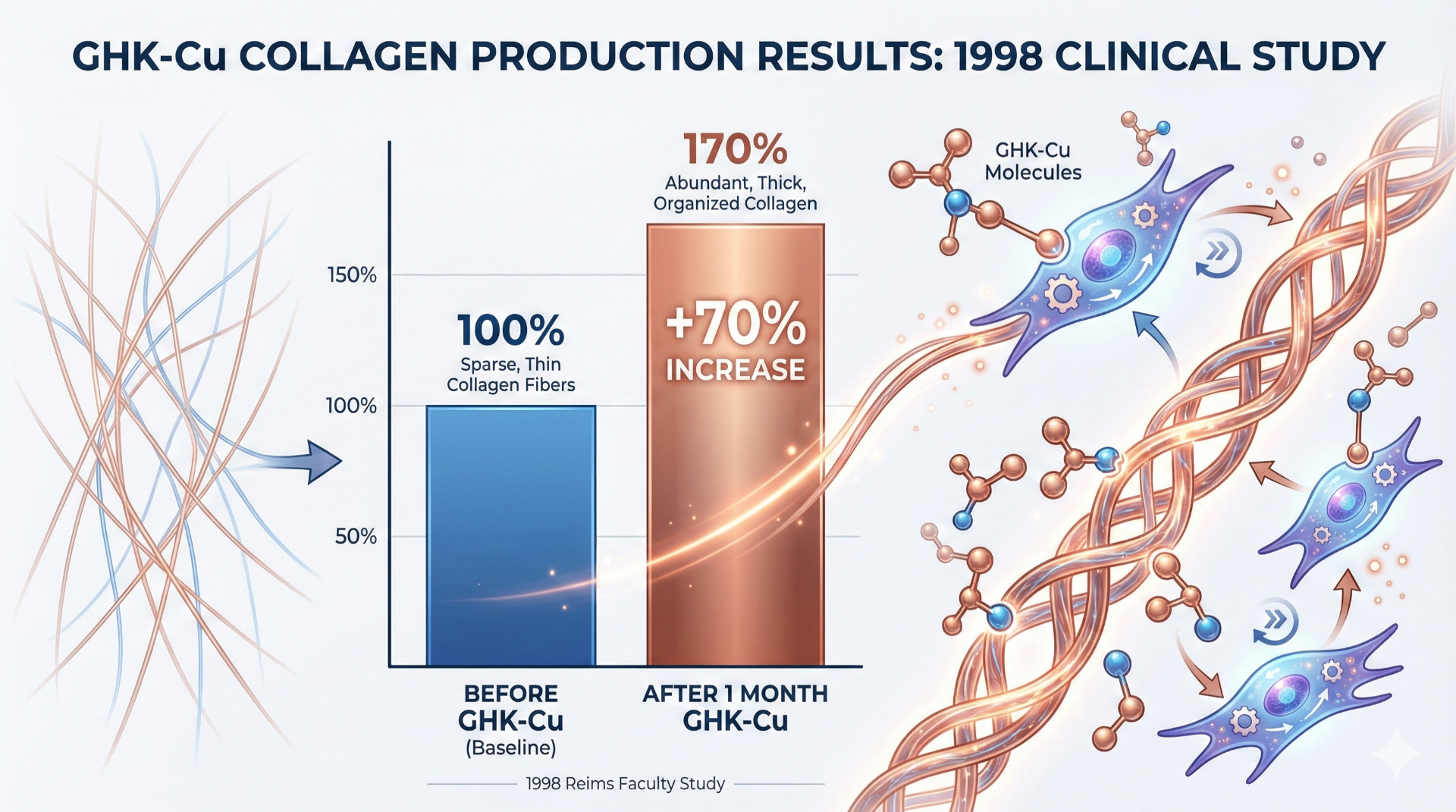
- Dramatic Collagen Increase: The landmark 1998 study at Reims Faculty of Medicine demonstrated that GHK-Cu increased collagen production by an astounding 70% after just one month of use.
- Sustained Production: Unlike temporary stimulation, GHK-Cu appears to create sustained increases in collagen production through fundamental changes in gene expression.
- Quality Enhancement: GHK-Cu improves collagen organization and cross-linking, creating stronger, more functional structural support.
- Elastin Stimulation: In addition to collagen, GHK-Cu significantly increases elastin production, restoring skin's elastic properties.
Cellular Signaling Pathways
GHK-Cu's effects occur through activation of specific cellular signaling pathways:
- TGF-β Pathway: Activates transforming growth factor-beta signaling, a master regulator of collagen production and tissue remodeling.
- VEGF Activation: Stimulates vascular endothelial growth factor, promoting angiogenesis and improving nutrient delivery to skin cells.
- Metalloproteinase Regulation: Modulates matrix metalloproteinases (MMPs), reducing harmful collagen-breaking enzymes while supporting beneficial tissue remodeling.
- Growth Factor Modulation: Influences multiple growth factors involved in wound healing, tissue repair, and cellular proliferation.
Skin Barrier Protein Repair
One of GHK-Cu's most valuable properties is its ability to repair and strengthen the skin barrier:
- Barrier Protein Synthesis: Stimulates production of key barrier proteins including filaggrin, involucrin, and loricrin.
- Lipid Matrix Enhancement: Supports synthesis of ceramides and other barrier lipids that seal gaps between cells.
- Functional Restoration: By repairing barrier proteins, GHK-Cu restores the skin's protective function, reducing water loss and decreasing sensitivity.
- Clinical Impact: Stronger skin barriers mean better hydration, reduced inflammation, and improved resilience against environmental stress.
Comprehensive Anti-Aging Effects
Increased Cell Turnover
GHK-Cu significantly accelerates cellular turnover, addressing one of the primary characteristics of aged skin:
- Proliferation Stimulation: Promotes fibroblast and keratinocyte proliferation, increasing new cell production.
- Faster Renewal: Damaged, dull cells are replaced more quickly with fresh, healthy cells.
- Improved Texture: Faster cellular renewal creates smoother, more refined skin texture.
Wrinkle Reduction and Skin Tightening
The combination of increased collagen, enhanced elastin, and improved cellular function creates visible wrinkle reduction:
- Structural Support: New collagen fills in wrinkles from beneath, providing structural support that smooths the skin surface.
- Elastic Recovery: Increased elastin allows skin to resist wrinkle formation from facial expressions and gravity.
- Tightening Effect: Enhanced collagen and elastin networks create a visible tightening effect.
- Clinical Results: Studies consistently show measurable wrinkle depth reduction and improved skin firmness after 8-12 weeks.
Reversal of Skin Thinning
Aged skin becomes progressively thinner, more fragile, and paper-like. GHK-Cu reverses this process:
- Dermal Thickness Increase: Stimulating collagen and elastin production measurably increases dermal thickness.
- Enhanced Resilience: Thicker, more robust skin is less prone to damage from minor trauma and environmental stress.
- Reduced Fragility: Restored dermal thickness eliminates the fragile, easily-damaged quality of aged skin.
Enhanced Elasticity
- Elastin Production: GHK-Cu's stimulation of elastin synthesis directly improves skin elasticity.
- Reduced Sagging: Better elasticity means less gravitational sagging, particularly noticeable in cheeks, jawline, and around eyes.
- Youthful Resilience: Skin with restored elasticity exhibits the "bounce-back" quality characteristic of youth.
Beyond Facial Skin: Additional Benefits
Hair and Scalp Health
GHK-Cu's regenerative properties extend to hair follicles and scalp health:
- Follicle Stimulation: Stimulates cellular activity around hair follicles, promoting stronger, healthier hair growth.
- Scalp Circulation: Angiogenic properties improve blood flow to the scalp, ensuring follicles receive adequate nutrients.
- Hair Quality: Users often report improvements in hair thickness, strength, and overall quality.
Angiogenesis and Microcirculation
The formation of new blood vessels is crucial for tissue health and repair:
- VEGF Activation: Stimulates vascular endothelial growth factor, promoting new blood vessel formation.
- Improved Circulation: Enhanced microcirculation means better nutrient delivery and more efficient waste removal.
- Wound Healing: Better blood supply accelerates healing of any skin damage or injury.
Inflammation Modulation
GHK-Cu modulates inflammation to prevent excessive inflammatory responses:
- Balanced Response: Supports necessary inflammatory signals for tissue repair while preventing chronic, damaging inflammation.
- Reduced Irritation: Anti-inflammatory properties make GHK-Cu suitable even for sensitive skin types.
- Healing Environment: Controlled inflammation creates an optimal environment for tissue regeneration.
Clinical Evidence and Research
The Landmark 1998 Study: Research at Reims Faculty of Medicine demonstrated 70% increase in collagen production after one month of GHK-Cu use—a dramatic effect that established the peptide's regenerative potential.
Long-Term Studies: Multiple clinical trials over decades have consistently shown GHK-Cu's ability to improve skin appearance, reduce wrinkles, increase firmness, and enhance overall skin quality.
Comparative Research: Studies comparing GHK-Cu to other anti-aging ingredients often find it superior in stimulating collagen production and improving skin structure.
Safety Profile: Extensive research and decades of use have established GHK-Cu's excellent safety profile with minimal side effects even with long-term use.
The Synergistic Formula: Why Methylene Blue + GHK-Cu Is Revolutionary
Complementary Mechanisms Create Amplified Results
While each ingredient is powerfully effective individually, their combination creates synergistic effects that surpass the sum of individual benefits:
Energy Production Meets Structural Synthesis
- Methylene Blue: Enhances cellular energy (ATP) production, providing fibroblasts with the power needed for protein synthesis.
- GHK-Cu: Signals cells to produce collagen and elastin, creating demand for protein synthesis.
- Synergy: MB provides the energy GHK-Cu's signals need to translate into actual collagen production. Without adequate cellular energy, even strong growth signals can't be fully realized.
Protection Plus Regeneration
- Methylene Blue: Powerful antioxidant that protects cells and newly synthesized proteins from oxidative damage.
- GHK-Cu: Stimulates production of new collagen, elastin, and barrier proteins.
- Synergy: MB's protective effects ensure that the new structural proteins GHK-Cu stimulates remain intact and functional.
Cellular Cleanup Meets Tissue Building
- Methylene Blue: Reduces senescent cells and enhances autophagy, removing damaged components.
- GHK-Cu: Stimulates new cell production and tissue synthesis.
- Synergy: MB creates a "clean slate" by removing damaged cells and proteins, allowing GHK-Cu's regenerative signals to work in an optimized environment.
Multiple Pathways to Collagen Production
- Methylene Blue: Upregulates collagen genes (COL2A1) at the transcriptional level.
- GHK-Cu: Activates growth factor signaling pathways that stimulate collagen synthesis.
- Synergy: Attacking collagen production from multiple angles creates dramatically enhanced synthesis beyond what either ingredient achieves alone.
Comprehensive Barrier Support
- Methylene Blue: Enhances cellular energy for barrier maintenance and improves hydration.
- GHK-Cu: Directly stimulates barrier protein synthesis and repair.
- Synergy: The combination creates robust, resilient skin barriers through both structural repair and functional optimization.
Multi-Level Anti-Aging Attack
The MB + GHK-Cu combination addresses skin aging through every major pathway:
- ✓ Oxidative Stress: MB's powerful antioxidant activity
- ✓ Collagen Loss: Both ingredients stimulate production through different mechanisms
- ✓ Elastin Degradation: Both upregulate elastin synthesis
- ✓ Cellular Energy Decline: MB dramatically enhances mitochondrial function
- ✓ Fibroblast Dysfunction: MB energizes while GHK-Cu signals activation
- ✓ Barrier Breakdown: GHK-Cu repairs proteins while MB supports function
- ✓ Cellular Senescence: MB reduces senescent cell populations
- ✓ Impaired Turnover: GHK-Cu accelerates cellular renewal
- ✓ Inflammation: GHK-Cu modulates inflammatory responses
The Result: Comprehensive Rejuvenation
When formulated together at therapeutic concentrations, methylene blue and GHK-Cu create visible improvements that rival or exceed conventional dermatological treatments:
Immediate Effects (Days 1-14)
- Improved hydration and skin texture
- Enhanced radiance and glow
- Reduced appearance of surface fine lines
Short-Term Results (Weeks 3-8)
- Noticeable wrinkle reduction
- Improved firmness around eyes and mouth
- More even skin tone
- Enhanced elasticity
Long-Term Transformation (Months 3-6)
- Significant structural improvements
- Dramatic wrinkle reduction including deeper lines
- Visible skin tightening and lift
- Thicker, more resilient skin
- Comprehensive texture refinement
Ongoing Benefits (6+ Months)
- Continued regeneration and improvement
- Prevention of new aging signs
- Maintained youthful cellular function
- Long-term structural support
Application Protocol and Best Practices
Optimal Formulation Considerations
Concentration Matters: Therapeutic benefits require adequate concentrations:
- Methylene Blue: 0.01-0.5% depending on formulation and desired intensity
- GHK-Cu: 0.1-1% for optimal collagen stimulation
pH Optimization: Both ingredients are pH-sensitive. Ideal range is pH 5.5-6.5 for stability and skin compatibility.
Stability Requirements:
- Opaque or dark bottles protect light-sensitive methylene blue
- Air-tight packaging prevents oxidation
- Cool storage extends product life
Application Technique
- Twice Daily Use: Morning and evening application maximizes benefits
- Cleansed Skin: Apply to thoroughly cleansed skin for optimal absorption
- Thin Layer: A small amount spread evenly is more effective than thick application
- Absorption Time: Allow 2-3 minutes for full absorption before applying additional products
- Layering Order: Apply after cleansing/toning, before heavier moisturizers or oils
- Sun Protection: Always follow morning application with broad-spectrum SPF
Combining with Other Ingredients
Compatible Combinations:
- Hyaluronic acid: Enhances hydration alongside structural improvements
- Niacinamide: Complementary barrier support and anti-inflammatory effects
- Antioxidants (Vitamin C, E): Additional oxidative stress protection
- Peptides: Other peptides can work synergistically with GHK-Cu
Avoid Combining With:
- High-strength retinoids (may reduce stability; use at different times)
- Strong acids (can affect pH and reduce efficacy)
- Benzoyl peroxide (may oxidize and inactivate ingredients)
Introducing to Your Routine: Start with once-daily application to assess tolerance. Gradually increase to twice daily after 1-2 weeks. Some users may experience minor tingling initially—this typically resolves.
Enhancing Results
Internal Support: Combine topical application with:
- Stem cell boost supplementation for systemic cellular support
- Adequate protein intake for collagen building blocks
- Antioxidant-rich diet to reduce overall oxidative burden
- Proper hydration for optimal skin moisture
Lifestyle Factors:
- Quality sleep: Essential for cellular repair and regeneration
- Stress management: Chronic stress impairs skin healing
- Sun protection: Prevent new damage while repairing existing
- Avoid smoking: Dramatically undermines collagen production
Safety, Tolerability, and Considerations
Safety Profile
Methylene Blue:
- Generally well-tolerated in cosmetic concentrations
- Rare cases of mild irritation or temporary blue tinting at very high concentrations
- Extensive safety data from medical use over 130+ years
GHK-Cu:
- Excellent safety record with decades of use
- Naturally occurring peptide minimizes allergic potential
- Rare sensitivity reactions possible as with any cosmetic ingredient
Who Should Use
Ideal Candidates:
- Anyone concerned with signs of aging (fine lines, wrinkles, loss of firmness)
- Individuals with sun damage or photoaging
- Those seeking to prevent future aging signs
- People wanting science-backed regenerative skincare
- Adults of any age looking to optimize skin health
Special Considerations:
- Pregnant/nursing: Limited safety data; consult healthcare provider
- Active skin conditions: May want to address acute issues before starting
- Very sensitive skin: Patch test and start slowly
Patch Testing
Always patch test new products:
- Apply small amount to inner forearm
- Wait 24-48 hours
- Check for redness, itching, or irritation
- If no reaction, proceed with facial application
Frequently Asked Questions
Below are answers to the most common questions about methylene blue and GHK-Cu in skincare.
The Science of Quality: What to Look For
Formulation Standards
Pharmaceutical-Grade Ingredients: Quality matters significantly with these advanced actives. Look for:
- Pharmaceutical-grade methylene blue (not industrial dyes)
- Stabilized GHK-Cu from reputable sources
- Third-party testing for purity and potency
Proper Concentrations: Effective formulations contain therapeutic levels:
- Below-threshold concentrations won't produce results
- Excessively high concentrations increase irritation risk without proportional benefits
- Look for products that disclose actual percentages
Stability Measures:
- Appropriate pH (5.5-6.5)
- Protective packaging (opaque, air-tight)
- Preservative systems that don't compromise active ingredients
- Manufacturing practices that maintain potency
Red Flags to Avoid
- Products claiming miraculous overnight results
- Formulations with irritating fragrance additives
- Unclear ingredient concentrations
- Claims without scientific backing
- Extremely low prices (suggests inadequate active concentrations)
Conclusion: The Future of Regenerative Skincare
After over a decade working in regenerative medicine, I can confidently say that methylene blue and GHK-Cu represent a fundamental advancement in how we approach skin aging. These aren't cosmetic coverups or temporary fixes—they're scientifically validated interventions that address aging at its cellular roots.
Methylene Blue works at the most fundamental level—cellular energy production—while providing powerful antioxidant protection. By enhancing mitochondrial function, it restores the energy production capacity that declines with age, enabling cells to function as they did in youth.
GHK-Cu harnesses the body's natural regenerative signaling systems, dramatically stimulating collagen and elastin production while repairing protective skin barriers. The 70% increase in collagen production documented in clinical research represents a level of regeneration rarely achieved with topical ingredients.
Together, these ingredients create a synergistic formula that:
- Addresses every major pathway of skin aging
- Works through multiple complementary mechanisms
- Produces measurable, lasting structural improvements
- Continues providing benefits with long-term use
- Combines immediate cosmetic effects with genuine regeneration
Your skin possesses remarkable regenerative potential—it just needs the right cellular support to unlock it. By providing enhanced energy through methylene blue and regenerative signals through GHK-Cu, you're not fighting aging; you're supporting your skin's natural ability to repair, regenerate, and renew itself.
The future of anti-aging skincare is written in the language of cellular biology. With methylene blue and GHK-Cu, that future is available today.
Common Questions About Regenerative Anti-Aging
References and Further Reading
- Xiong ZM, et al. "Anti-Aging Potentials of Methylene Blue for Human Skin Longevity." Scientific Reports. 2017;7:2475.
- Pickart L, Margolina A. "Regenerative and Protective Actions of the GHK-Cu Peptide in the Light of the New Gene Data." International Journal of Molecular Sciences. 2018;19(7):1987.
- Leyden J, et al. "Skin Care Benefits of Copper Peptide Containing Eye Creams." American Academy of Dermatology 66th Annual Meeting. 2008;Poster presentation.
- Atamna H, et al. "Methylene blue delays cellular senescence and enhances key mitochondrial biochemical pathways." The FASEB Journal. 2008;22(3):703-712.
- Maquart FX, et al. "Stimulation of collagen synthesis in fibroblast cultures by the tripeptide-copper complex glycyl-L-histidyl-L-lysine-Cu2+." FEBS Letters. 1988;238(2):343-346.
- Pickart L. "The human tri-peptide GHK and tissue remodeling." Journal of Biomaterials Science, Polymer Edition. 2008;19(8):969-988.
- Blanes-Mira C, et al. "Comprehensive Survey of Consensus Docking for High-Throughput Virtual Screening." Molecules. 2023;28(1):175.
- Pollard JD, et al. "Type IV collagen and laminin in Basal lamina assembly." Journal of Biological Chemistry. 1991;266(25):16805-16811.